

Overview
‘Strangles’ is an infection caused by the bacteria Streptococcus equi subspecies equi (S. equi var. equi). Although horses of any age can be affected, the disease most commonly affects young horses such as weanlings and yearlings. It is a highly contagious disease, transmitted by direct contact with infected horses including sub-clinical shedders, or indirectly by contact with objects such as via water troughs, hoses, feed bunks, pastures, stalls, trailers, tack, grooming equipment, people, or contaminated insects (figure 1). Streptococcus equi has demonstrated environmental survivability, particularly in water sources and when protected from exposure to direct sunlight and disinfectants, and can be a source of infection for new additions to the herd.
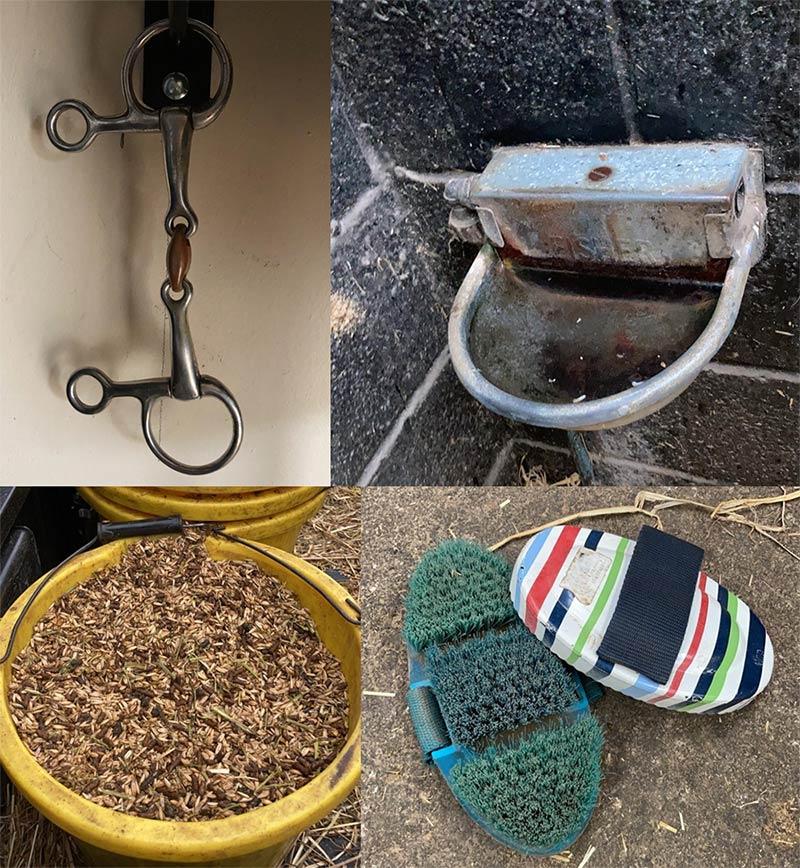
💡 Sub-clinical ‘shedders’ are animals which carry the disease but show no symptoms; these animals can still be infectious as they intermittently shed the virus
Clinical signs
Infection by Streptoccocus equi induces a profound inflammatory response. Clinical signs may include fever, dysphagia or anorexia, respiratory stridor, lymphadenopathy (+/- abscessation) and a copious muco-purulent nasal discharge (figure 2 + 3).
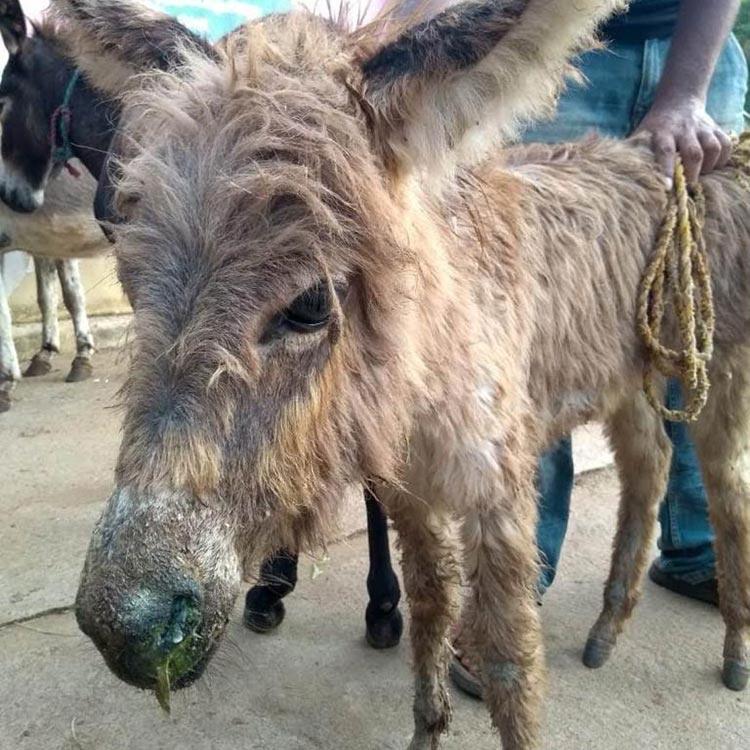
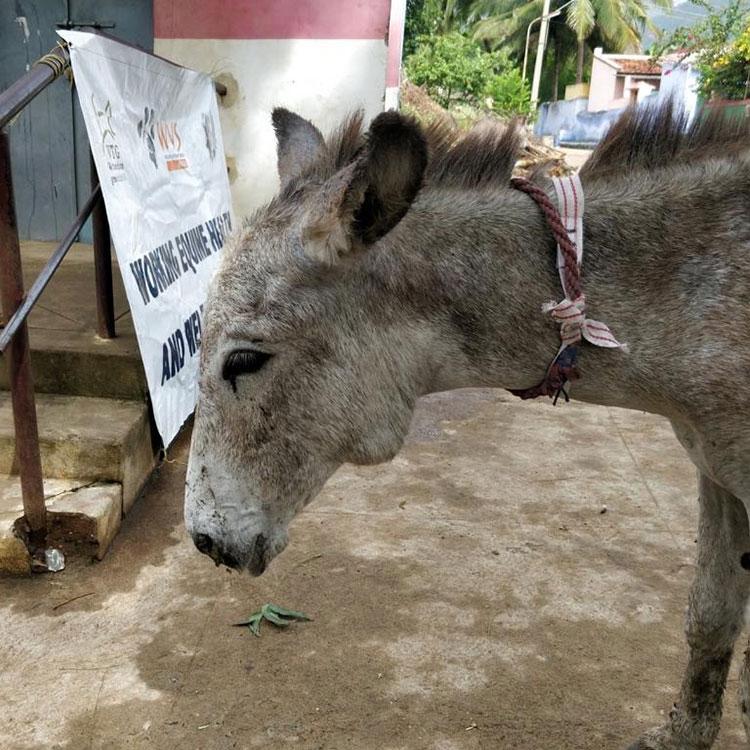
Following the infection, certain individuals may unpredictably develop purpura haemorrhagica, an acute, non-contagious syndrome caused by immune-mediated, generalised vasculitis. Clinical signs develop 2 - 4 weeks following the infection. Clinical signs may include urticaria with pitting oedema of the limbs, ventral abdomen and head; subcutaneous and petechial haemorrhage; and sloughing of involved tissues. Severe oedema of the head may compromise breathing. Immediate medical attention should be sought for individual horses suspected of having purpura haemorrhagica.
Treatment
Antibiotics can be prescribed to combat the bacterium and NSAIDs can reduce inflammation and fever. Horses must be nursed with palatable, easy to swallow food and rest.
Prevention
Vaccines are available, but their expense, limited efficacy, and potential side effects reduce their practical value.