


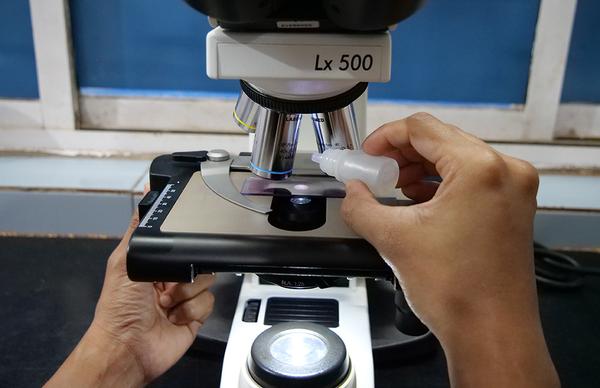
Diagnostic techniques can be useful in determining the correct course of treatment, and should be guided by the findings of a thorough clinical examination. Unnecessary diagnostic interventions can be detrimental to patient welfare and increase the costs. This section lists what further testing can be used to assist in making a diagnosis.
There will be a large variation in what is available depending on the country, the local environment and the budget. The following articles set out the equipment needed to run basic field laboratory testing, and how to perform certain procedures.
Low-budget, in-field tests
Blood samples
- Haematology: red cell values, anaemia, white cells, blood parasites.
- Biochemistry: organ function, inflammatory markers, glucose, electrolytes, foal IgG, triglycerides.
- Serology: antibody levels for specific disease markers.
- Specific single testing kits: Glucose, Lactate, IgG, Triglycerides.
- Bacterial culture and sensitivity
Faecal samples
- Worm egg count
- Sand
- Blood
- Bacterial culture and sensitivity
- PCR (professional laboratory)
Urine samples
- Glucose
- Electrolytes
- Blood
- Protein
Rectal examination
- Palpation of position/texture/hydration of gastrointestinal organs
- Palpation of urogenital tract: Bladder stones, ovaries, pregnancy diagnosis
Skin samples
- Skin scrape: Mites
- Swab/toothbrush: bacteriology culture and sensitivity. Gram stain, dermatophilus
- Adhesive tape: oxyuris eggs, mites
- Fine needle aspirate: syringe, needle, slip. Gram staining
- Biopsies
Respiratory
- Rebreathing bag: subtle abnormal airway sounds
- Nasopharyngeal swabs: identification and culture of resiratory pathogens
- Nasal swabs: identification and culture of respiratory pathogens
Oral/Dental
- Dental gag
- Light source
- Dental mirror
Ocular
- Local anaesthetic, topical and as nerve block: to examine under eyelids including third eyelid
- Ocular stains: flourescein (for corneal ulceration), rose Bengal (for dry eye)
- Nasolacrimal flush: habronema, bacteriology, check for patency
Musculoskeletal
- Nerve blocks: localisation of pain and treatment of local lesions
- Joint fluid analysis
Necropsy
- Post mortem examination of the whole animal or target organs is especially useful in outbreaks of disease.
Further diagnostics
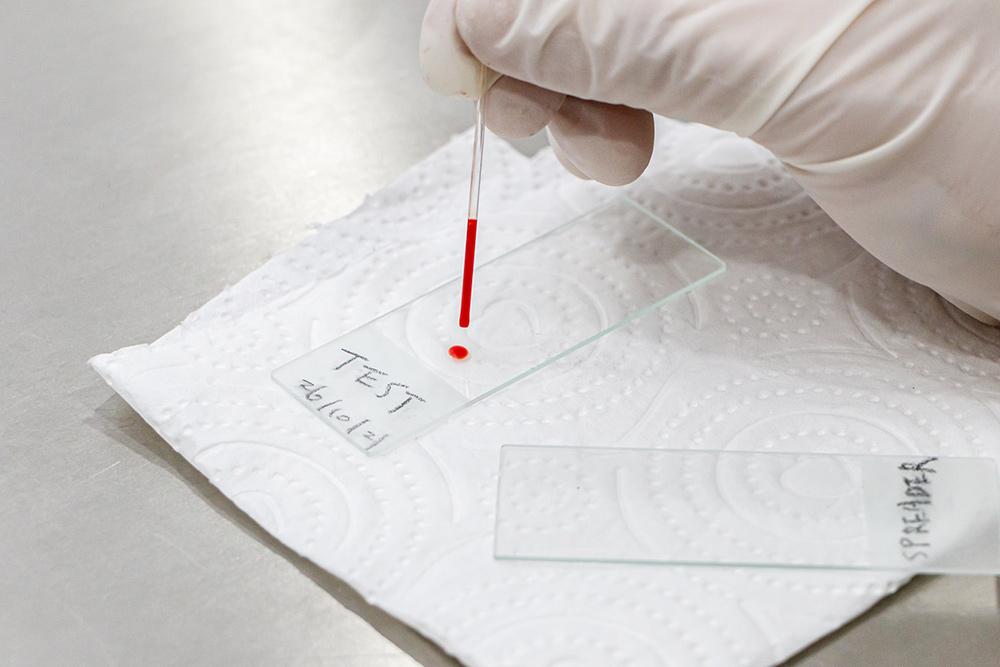
There is a vast array of highly specialised diagnostic equipment available for clinic or hospital use. Many of them require specialist training, compliance with health and safety regulations and regular servicing . The following list is not comprehensive :
- Automated haematology and biochemistry analysers
- Stable-side PCR tests
- PCR for blood, faeces, swabs
- ELISA testing of blood samples
- Radiography
- Ultrasound
- Endoscopy- airways and gastrointestinal
- Arthroscopy/ Laparascopy/ Tendoscopy
- Laparotomy
- MRI (magnetic resonance imaging)
- CAT scan (computed axial tomography)